Tasting Notes
Understanding what separates exceptional food from the ordinary teaches you what to look for when you dine out.
A Framework Instead of Adjectives
A tasting note is not a review—it is a framework. Rather than reach for words like "delicious" or "amazing," a trained palate breaks a dish into measurable components: texture, temperature, balance, technique. This discipline transforms eating from passive consumption into active evaluation. When you know what to taste for, you know what excellence costs. The restaurants and breweries that earn our recommendation all share one trait: they have deliberately designed their food to reveal something about their method.
Great food is specific about what it is. It does not ask you to wonder.
A tasting approach answers a practical question: Is this place worth the drive and the money? Not every establishment needs to hit every standard—some build reputation on a single craft done extraordinarily well. But the ones that do, measurably, tend to appear on these pages again and again.
Share a tasting experienceThe Numbers Behind Pizza, Smoke and Beer
Professional dining standards exist for a reason. They are not arbitrary opinions but outcomes of research, competition, and hundreds of thousands of meals. Wood-fired pizza and barbecue have published standards. A pizza oven at the right temperature cooks dough faster, which means crispness on the outside before the inside dries out. A properly calibrated smoker holds a range that allows collagen to render into gelatin without toughening the meat.
| Preparation | Critical Range | Why It Matters |
|---|---|---|
| Wood-fired pizza bake | 60–90 seconds | Allows charring without overcooking toppings or centers |
| Wood-fired oven temperature | 430–480 °C (806–896 °F) | Achieves the Maillard reaction for crust development |
| Barbecue smoking range | 225–275 °F ambient | Renders collagen to gelatin while retaining moisture |
| Bark formation | 3–5 hours before wrapping | Develops the smoke-infused crust before steam braising |
| Craft beer fermentation | 7–21 days (style-dependent) | Allows yeast to consume sugars and develop character |
| Caveat: These are industry benchmarks, not house rules. A restaurant's house style may depart from all of them and still be excellent. What matters is consistency and intention—knowing why a choice was made and executing it deliberately every time. | ||
Authentic Neapolitan pizza is baked in a wood-fired oven at 430 to 480 degrees Celsius for 60 to 90 seconds, which is why oven heat and bake time are the first things worth asking about. For the detail on dough, fermentation and the finished pizza, see Associazione Verace Pizza Napoletana's international regulations.
Tell us where you found excellenceTasting a Dish in Four Steps
Evaluating a dish is a sequence. Each step reveals something different. Follow this order on your next visit.
-
Temperature
A hot plate stays hot only briefly. The moment your food lands in front of you, use the first bite to gauge whether the temperature supports the technique—a wood-fired pizza at the right heat will have a charred, crisp exterior even as the cheese finishes melting.
-
Texture
Bite structure reveals preparation. Does a steak have a proper sear? Does pasta have resistance before yielding? Does a pizza crust have crispness, chew and char in distinct layers? Texture inconsistency suggests rushed cooking or old ingredients.
-
Flavor development
Taste evolves as food cools. Flavors that hid under heat emerge. Smoke, caramelization, and bitterness become more present. A well-prepared dish tastes good at all temperatures; a poorly executed one tastes worse as it cools.
-
Balance and intention
After three to four bites, ask whether this dish is telling you something or just filling your stomach. Intention shows. A house sauce that took weeks to develop tastes different from one assembled from bottled components. A smoked meat where the smoke supports rather than dominates the protein shows restraint and skill.
Two Rooms That Get It Right
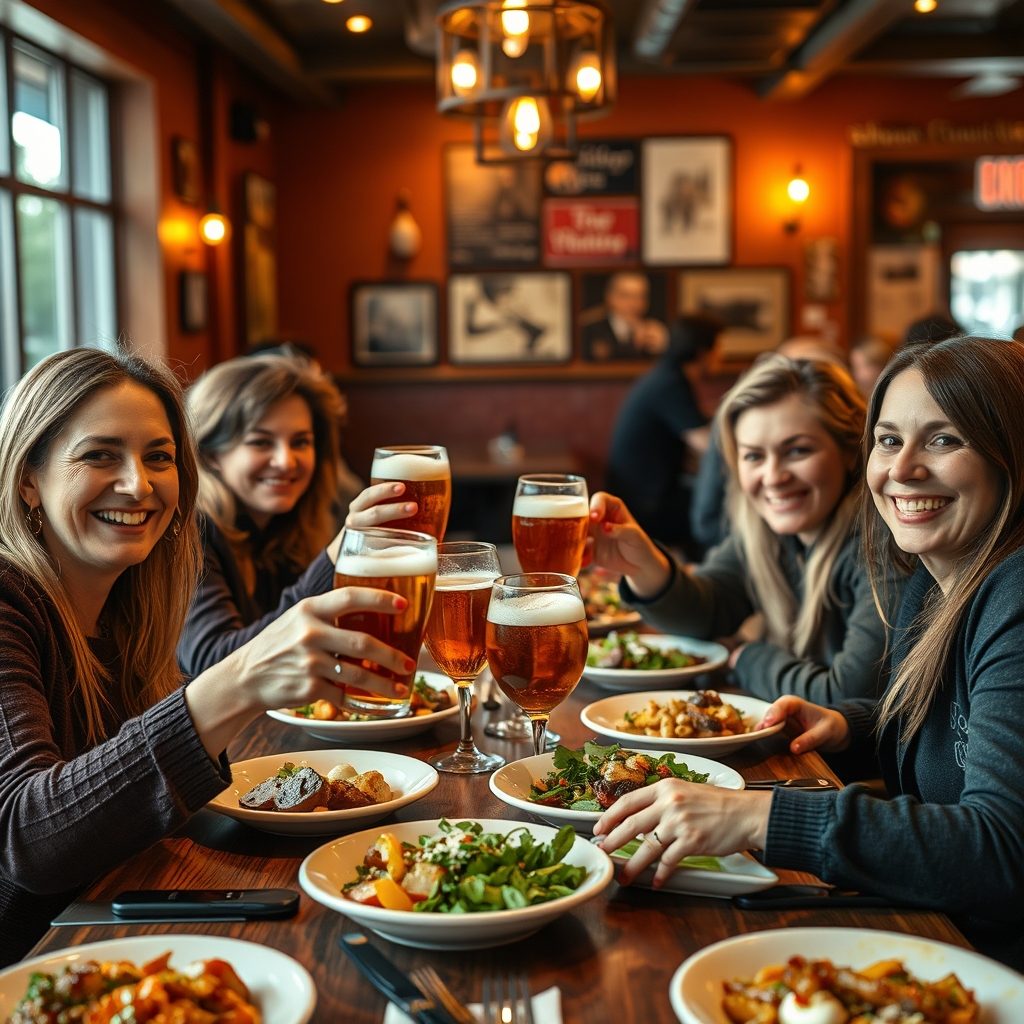
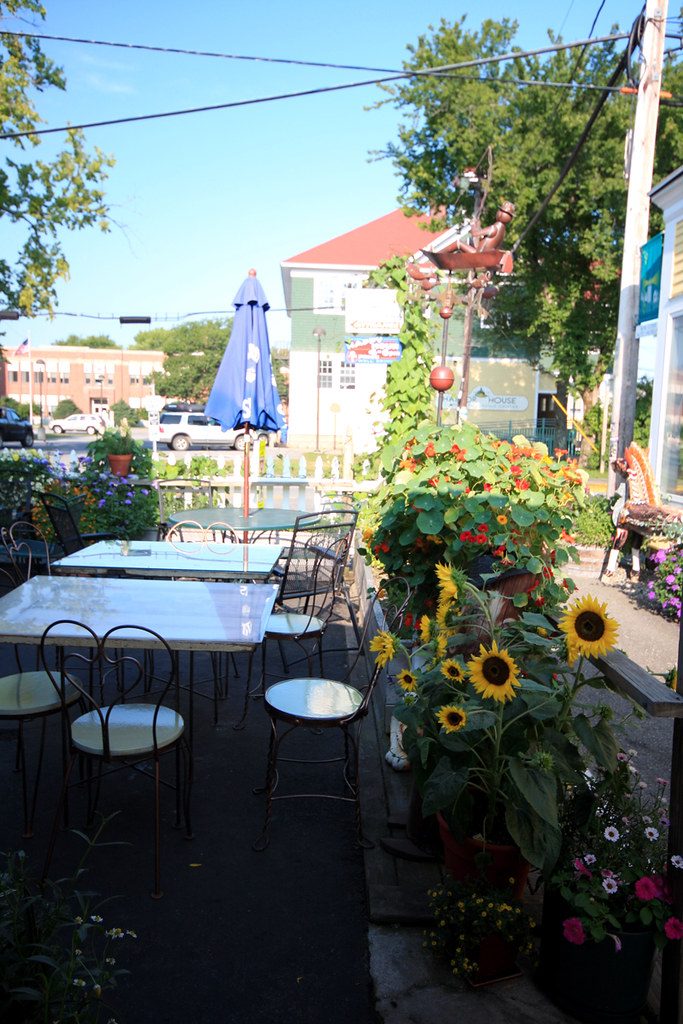
What does excellent preparation look like? Here are two scenes from restaurants that earned their way onto these pages by demonstrating consistency and craft across every element. These are not exceptions or special plates—this is what they serve to everyone, every time.
When Breaking the Rules Works
Some of the best food breaks every rule in the book. A casual pizza joint might run its oven cool and slow, building flavor through long fermentation instead of high heat. A backyard barbecue might ignore smoking temperatures and run pure intuition, yet produce ribs that disappear in seconds. Technique can be self-taught, improvised, and utterly opposed to conventional standards—and still be great.
For an expert view on how competition barbecue is judged and who is qualified to judge it, see the Kansas City Barbeque Society's judging programme. The restaurants that appear here are not competing for ribbons. They are building something for their community: a place to eat well, together, week after week. That is a different kind of excellence, and it matters more.