How We Choose
The difference between a place that serves food and a place worth returning to often comes down to a handful of measurable details. Learn how to spot them.
Why consistency is rare
A restaurant is only as good as its commitment to consistency. Of the roughly 12,000 food service establishments licensed in New Hampshire, fewer than 5% maintain both consistent sourcing and staff retention above industry averages. Most establishments turn over staff annually at a rate exceeding 70%. When you find a place that breaks that pattern—where the same chef has overseen the kitchen for three years or more, and suppliers are credited by name—you have found something worth noting. The economics that drive the industry make excellence more exhausting to maintain than convenient to abandon.
Tell us about your discoverySigns of a trained kitchen
The signs that a kitchen has trained cooks are visible before you taste anything. A consistent sear on a protein (not raw inside, not grey throughout) suggests temperature control that most home cooks struggle to achieve. Consistent trim on a cut of meat tells you the kitchen has the skill to butcher precisely. Plating that does not collapse under its own weight shows an understanding of moisture and starch balance. These are not accidents or luck—they are the results of training and a system.
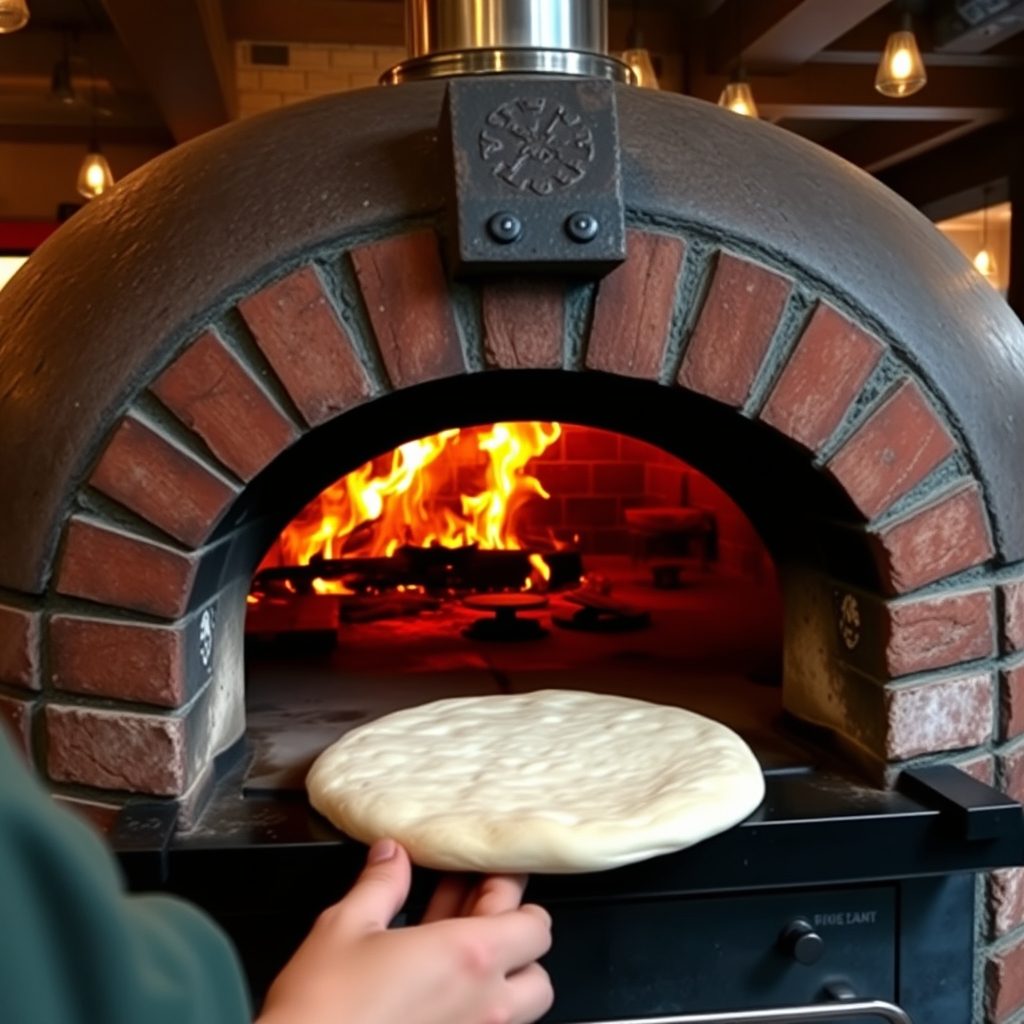
What a trained kitchen costs per plate
A meal at a place with trained cooks and serious sourcing runs between 22 and 38 dollars per person for an entrée, depending on protein type and preparation time. That range reflects the cost of a cook earning 18 to 24 dollars per hour, ingredients marked up 3.2 to 3.8 times their wholesale cost, and rent in a town where commercial space is 14 to 18 dollars per square foot annually. A burger at 8 dollars implies a cook earning closer to 12 dollars per hour and ingredients at 2.1 times cost. These are the math of the business. The cheapest meal is often the one where someone cut the largest corner.
Beyond the entrée price, consider what the restaurant invests in refinement. Do they pour their own vinaigrettes, or buy them by the case? Do they age their steaks in-house, or reheat them? Do they make stock, or buy concentrate? A place that charges 28 dollars for a steak but buys their jus from a distributor is taking a shortcut. A place that charges 32 dollars and slow-braises their stock for two days before service is explaining their price. The difference is not hidden—you see it in the menu's explanation, the server's knowledge, and the taste itself.
Four things we check first
Does it change seasonally, or is it the same year-round?
A fixed menu is not inherently bad, but a seasonal menu is a signal that a kitchen tracks their suppliers and adapts their sourcing. That discipline matters.
How long have the same people worked there?
Look for signs—do servers know the wine list without reading it, or do they pause? Do they know which dishes sell out? Institutional knowledge is built in months and years, not days.
Are farms, breweries, or purveyors named?
A restaurant that credits a beef from a specific farm at a specific town is committing publicly to that standard. It is harder to backslide when your menu promises Hickory Hollow beef from Sutton.
How do they cook their signature dish?
A cook trained in their craft can explain their method and why. If the answer is vague, the technique probably is, too.
Some kitchens answer these questions in public before you ask. Border Brewery & BBQ in Salem writes about why beer and barbecue pair so well and why a plain cheese pizza deserves the same care as anything else on the menu. Posts like those are a fair preview of how the kitchen thinks.
Recommend a placeQuestions readers ask us about value
How do I know if the price matches the quality?
Compare the entrée price to what the restaurant invested in the dish. A 26-dollar pasta should include house-made pasta, a protein that was not bought frozen, and a sauce that reflects six hours of simmering at minimum. If the plate shows quick, efficient cooking instead, the restaurant is overpriced. If it reflects care and time, the price is information.
What if the restaurant is new?
New restaurants are experiments. 75% of restaurants close within their first three years. The ones that survive do so because something—an owner's obsession, a chef's vision, or a location's draw—overcame the chaos of opening. Visit a new place twice within the first year. The first visit tells you about their ambition; the second tells you if they can sustain it.
Can casual food be excellent?
Absolutely. Casual does not mean careless. A breakfast diner that sources their eggs from a farm 8 miles away and roasts their own coffee is casual and excellent. A burger joint whose owner stands at the grill every day and grinds meat in-house is excellent. The investment is the signal, not the formality.
Is consistency more important than creativity?
Both matter, but consistency is foundational. A restaurant can experiment with a new sauce or a seasonal preparation, but if they cannot execute the basics reliably, nothing else lands. Judge consistency first. Creativity is the reward for getting the fundamentals right.
Additional resources
- UNH Extension: NH food protection requirements — explains that the state DHHS Food Protection Section licenses and inspects New Hampshire food service establishments
- New Hampshire Lodging and Restaurant Association — the state trade association for restaurants and lodging, which also runs ServSafe food-protection training
What a good night out feels like
A well-chosen restaurant feels effortless once you are seated. The kitchen moves with economy, not panic. The food arrives warm and thoughtfully plated. The server knows what you might like before you ask. The noise level is controlled—it does not descend into a roar. You leave with a sense that time passed well, that the people who fed you cared about how the meal felt, not just whether the food was edible.
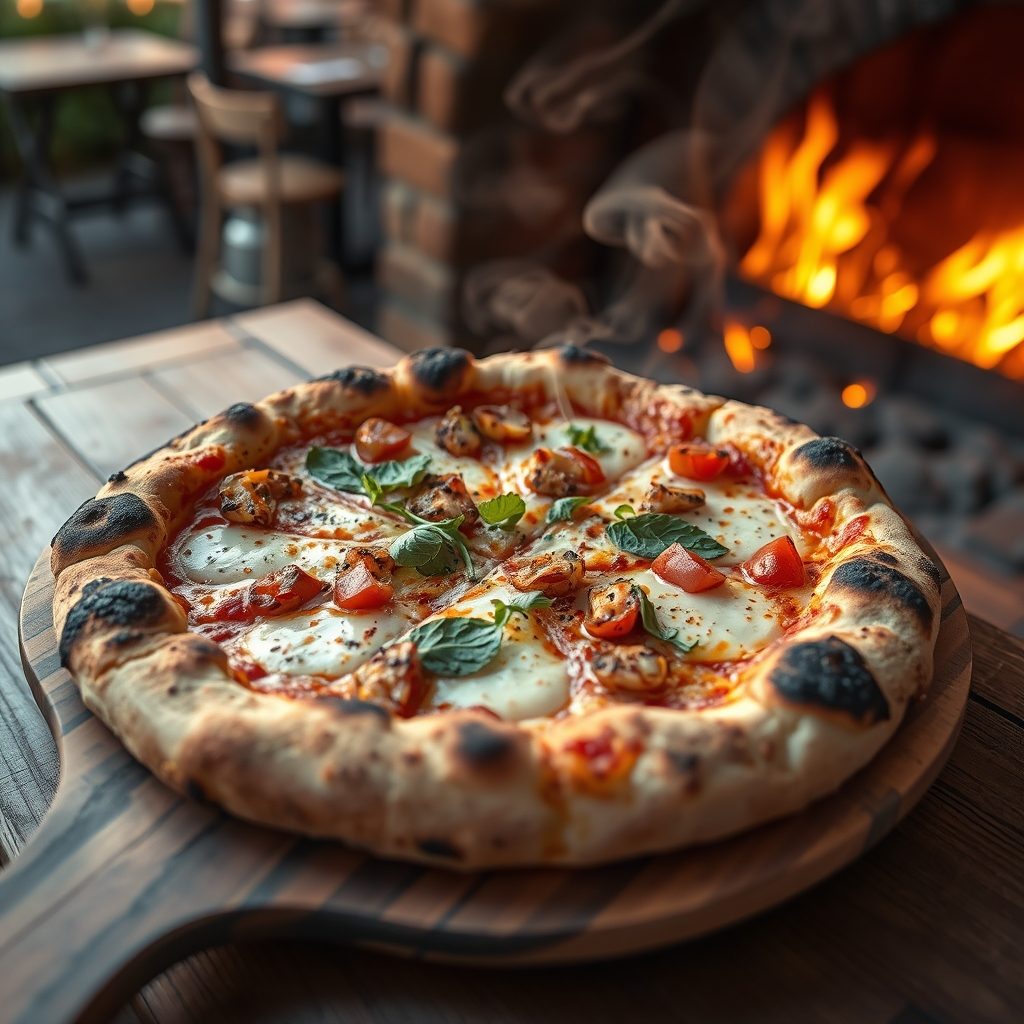
Portion size is the wrong yardstick
Tell us your storyMost diners judge a restaurant's quality by the size of the portion instead of the care invested in its preparation—and that mismeasure has shaped the entire casual dining industry into underseasoning and oversizing instead of pursuing excellence.